Gas Detection & H2S
00:00
/
00:00
Experience Overview
- Student completion records
- VR training certificates
- Training groups
- Scheduling
- Set refresher training frequency
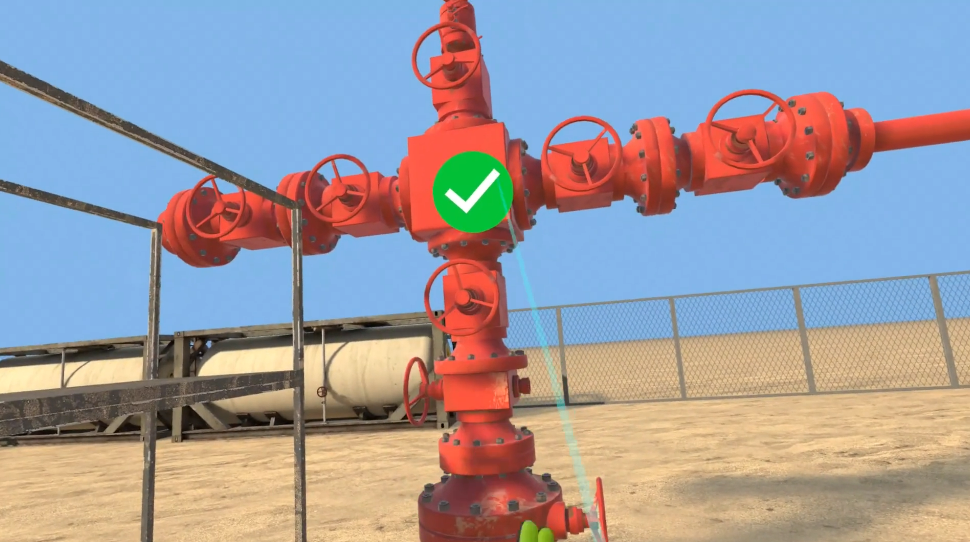
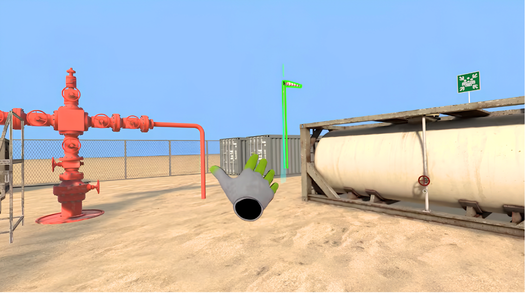
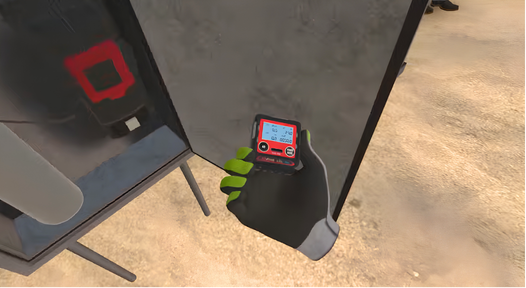
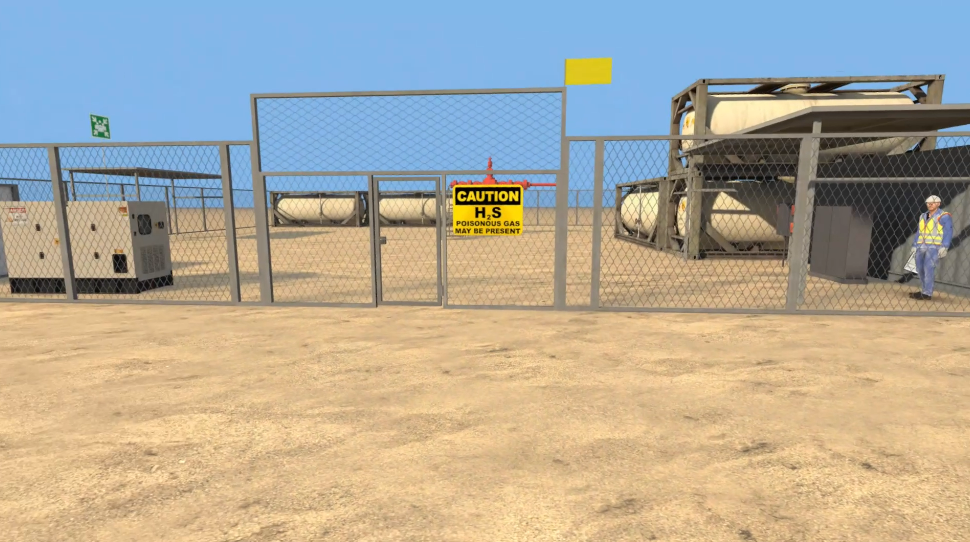
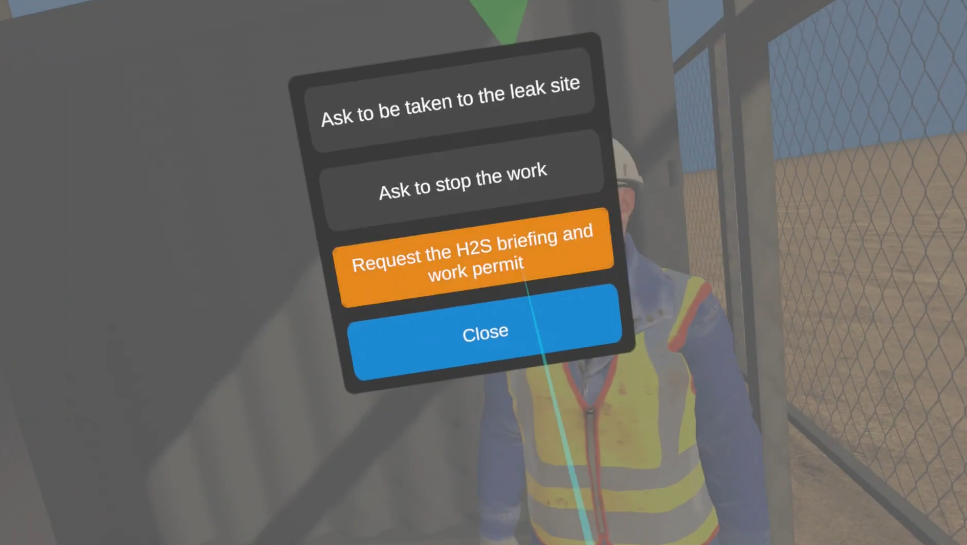
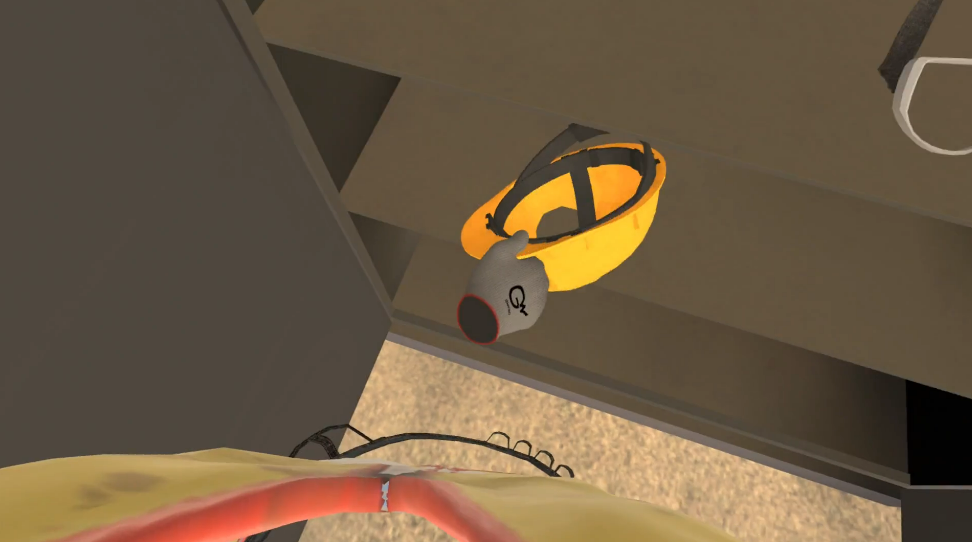
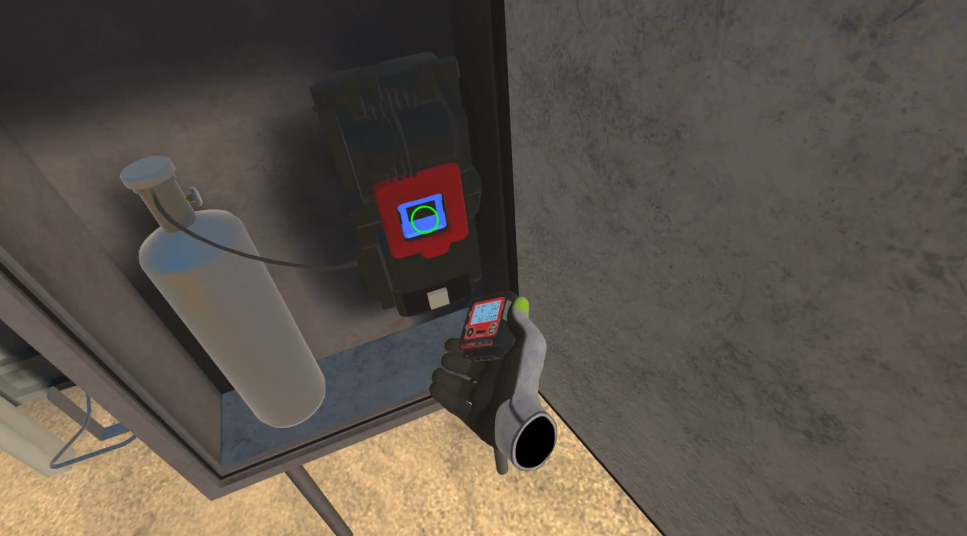
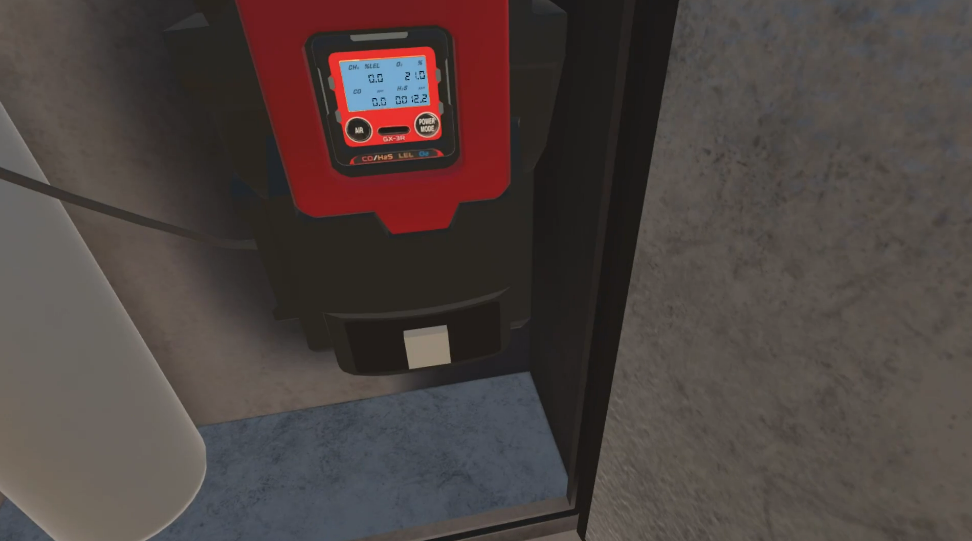
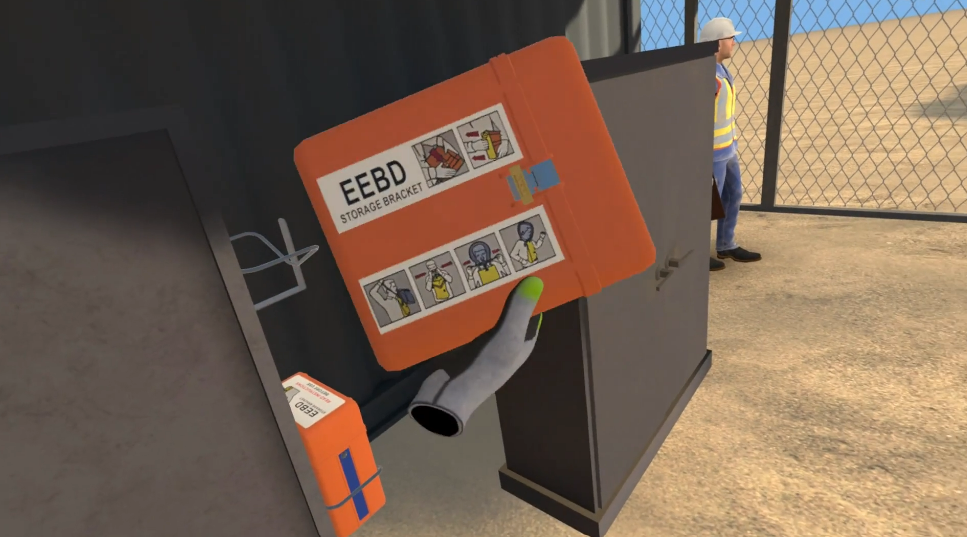
The training begins with users entering an oil and gas wellsite, inspecting H2S warning signs, attending a safety briefing, and reviewing the work permit. They then prepare for work by inspecting and wearing the required PPE, testing a portable gas monitor, and checking their emergency escape equipment.Users assess wind direction using a windsock and identify the appropriate upwind muster point before approaching the wellhead. The simulation introduces an H2S release, requiring users to respond to the alarm, put on their emergency escape equipment, and make a safety decision involving an incapacitated worker.The final steps involve evacuating crosswind and then upwind to the designated muster point, contacting the standby and rescue team, and completing the personnel accountability process.
Languages
Learning Outcomes
Quick answers to important questions
Didn’t find the answer? Contact us and we’ll tell you more.
What is Custom VR Builds?
It’s a service where Next World creates a fully tailored VR-training solution for your company — a custom course built to meet your industry-specific requirements rather than using a generic off-the-shelf VR module.
How does the custom-build process work?
The process typically follows these phases: you provide training documentation, subject-matter experts get involved, learning outcomes are identified, storyboard is created, virtual assets are modeled, testing and quality assurance, and finally deployment in your environment.
What type of training scenarios can be built?
You can build VR scenarios for hazard awareness, safe-practice with tools and equipment, practicing safety procedures step-by-step, and even testing learner’s knowledge in simulated hazardous situations — as if in real life but safe.
Is custom VR suitable for refresher training as well?
Yes — custom VR builds can be used for refresher/training-update courses to efficiently refresh skills and knowledge without re-arranging real equipment or putting people at risk.
What learning methodology does custom VR follow?
Next World suggests a blended approach: combining face-to-face, practical and immersive training methods, which helps improve retention, practical competence, and reduces incidents.