Trenching & Excavation Field Work
00:00
/
00:00
Experience Overview
- Student completion records
- VR training certificates
- Training groups
- Scheduling
- Set refresher training frequency
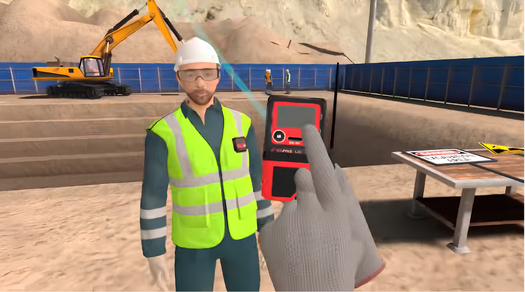
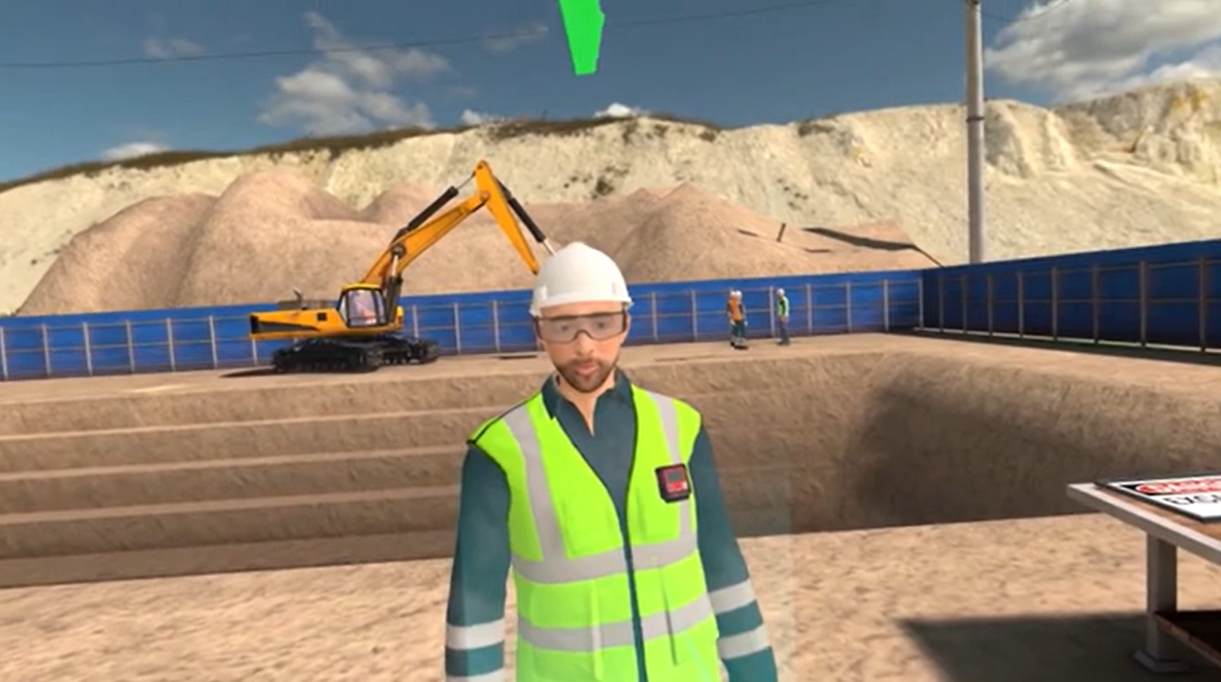
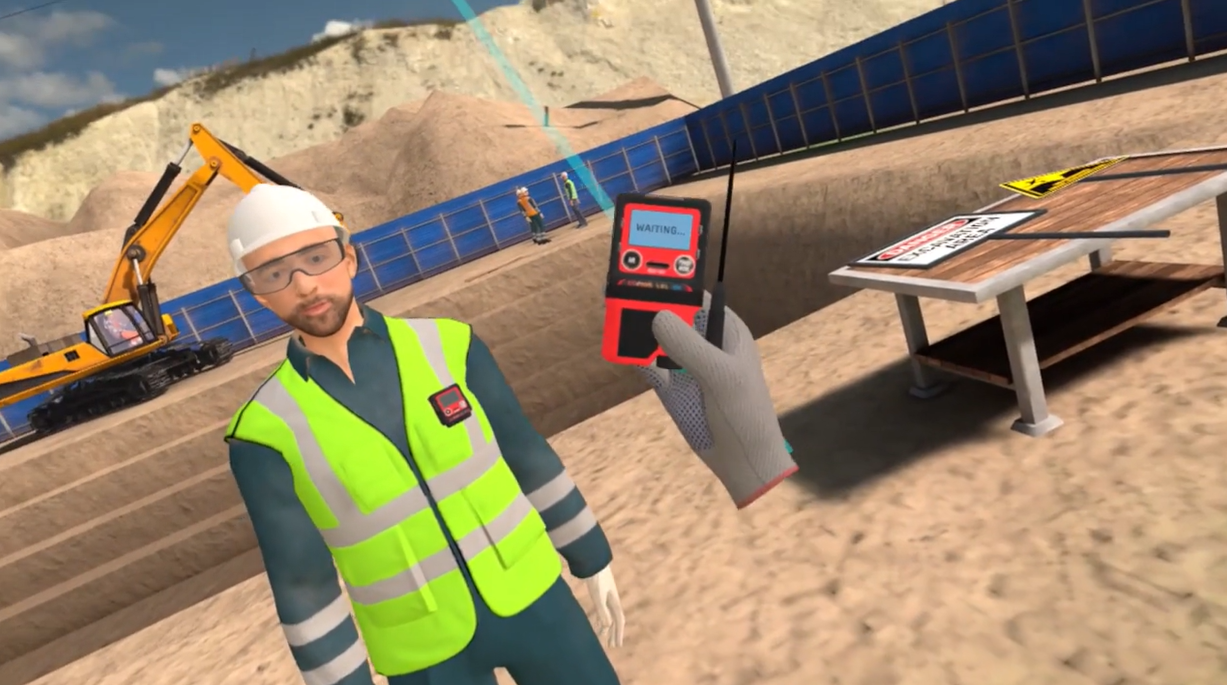
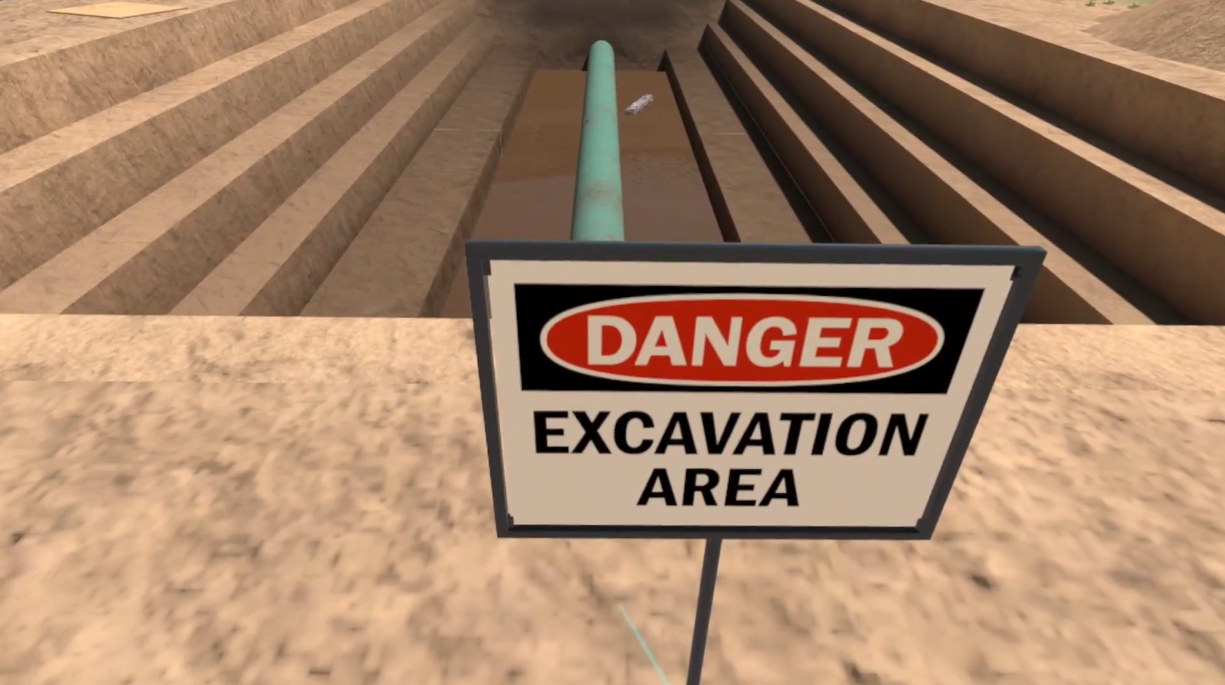
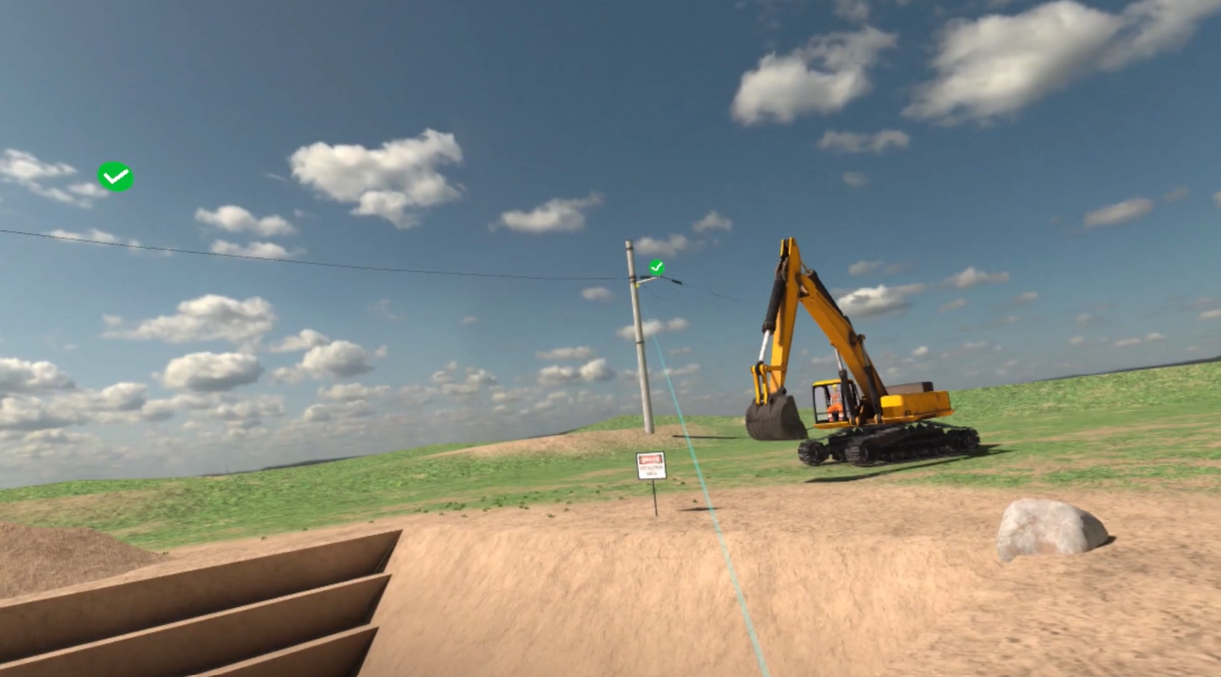
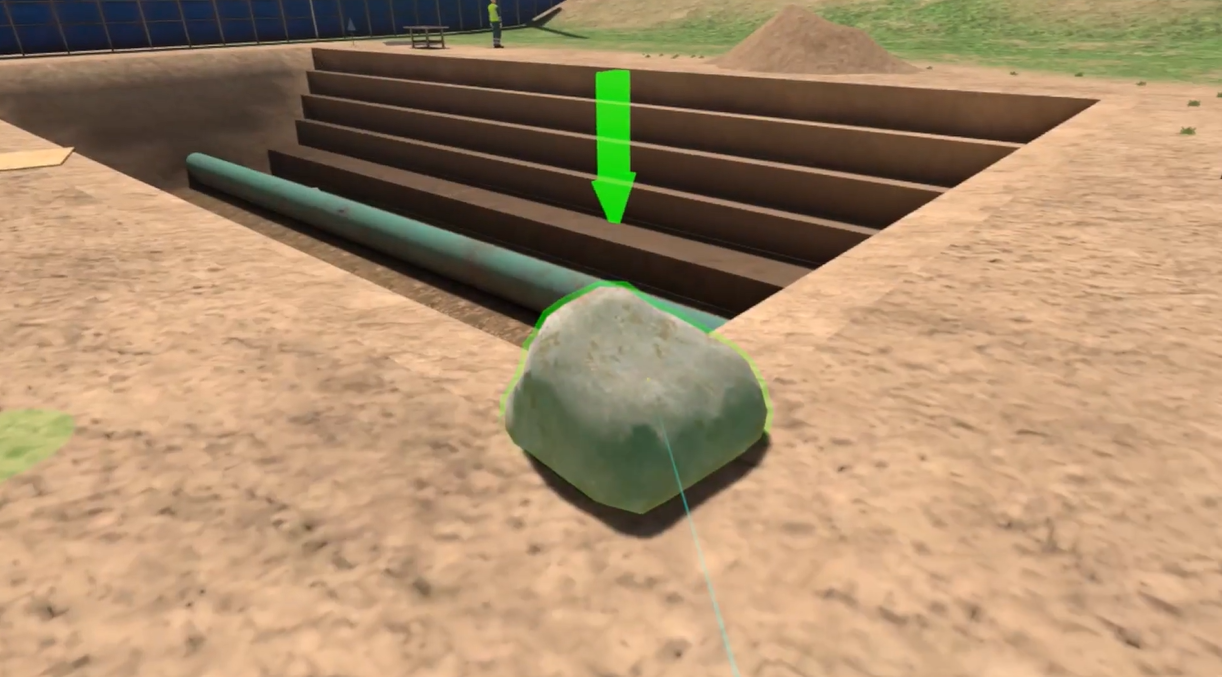
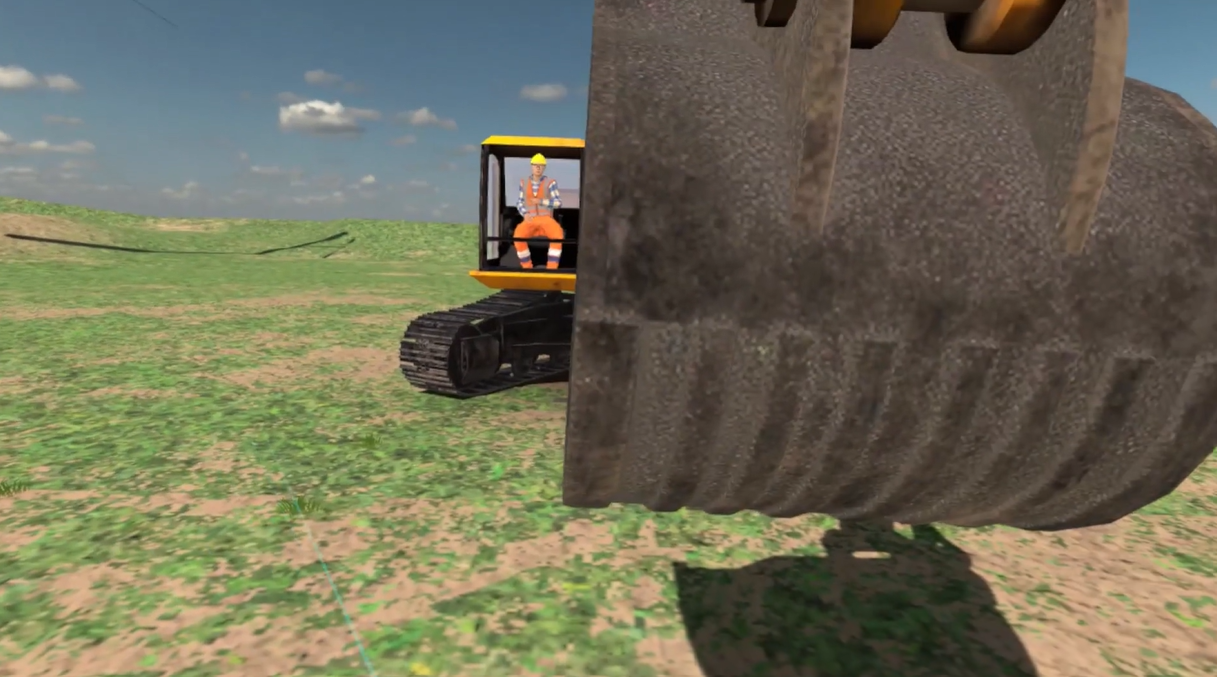
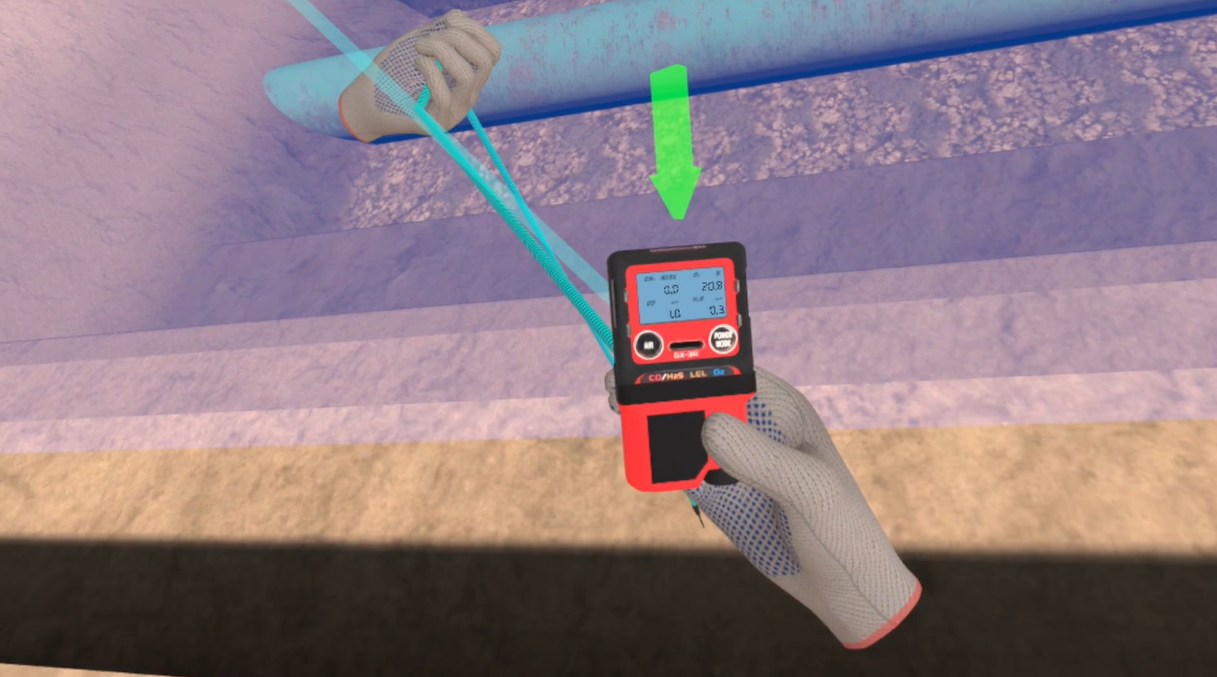
The training begins with users meeting the foreman, reviewing the excavation checklist, and assessing the safety conditions of a pipeline excavation site. They prepare the work area by setting up warning signs, activating a gas detector, checking overhead power lines, and ensuring excavation equipment is positioned safely.Users then identify and address potential hazards, including water accumulation, large rocks, spoil piles near the trench edge, and unsafe equipment conditions. The simulation includes performing atmospheric gas testing, positioning access ladders, and ensuring the excavator is shut down before entering the trench.The final steps involve descending into the trench, removing debris from the excavation area, and returning the completed safety checklist to the foreman to confirm that the required safety checks have been performed.
Languages
Learning Outcomes
Quick answers to important questions
Didn’t find the answer? Contact us and we’ll tell you more.
What is Custom VR Builds?
It’s a service where Next World creates a fully tailored VR-training solution for your company — a custom course built to meet your industry-specific requirements rather than using a generic off-the-shelf VR module.
How does the custom-build process work?
The process typically follows these phases: you provide training documentation, subject-matter experts get involved, learning outcomes are identified, storyboard is created, virtual assets are modeled, testing and quality assurance, and finally deployment in your environment.
What type of training scenarios can be built?
You can build VR scenarios for hazard awareness, safe-practice with tools and equipment, practicing safety procedures step-by-step, and even testing learner’s knowledge in simulated hazardous situations — as if in real life but safe.
Is custom VR suitable for refresher training as well?
Yes — custom VR builds can be used for refresher/training-update courses to efficiently refresh skills and knowledge without re-arranging real equipment or putting people at risk.
What learning methodology does custom VR follow?
Next World suggests a blended approach: combining face-to-face, practical and immersive training methods, which helps improve retention, practical competence, and reduces incidents.