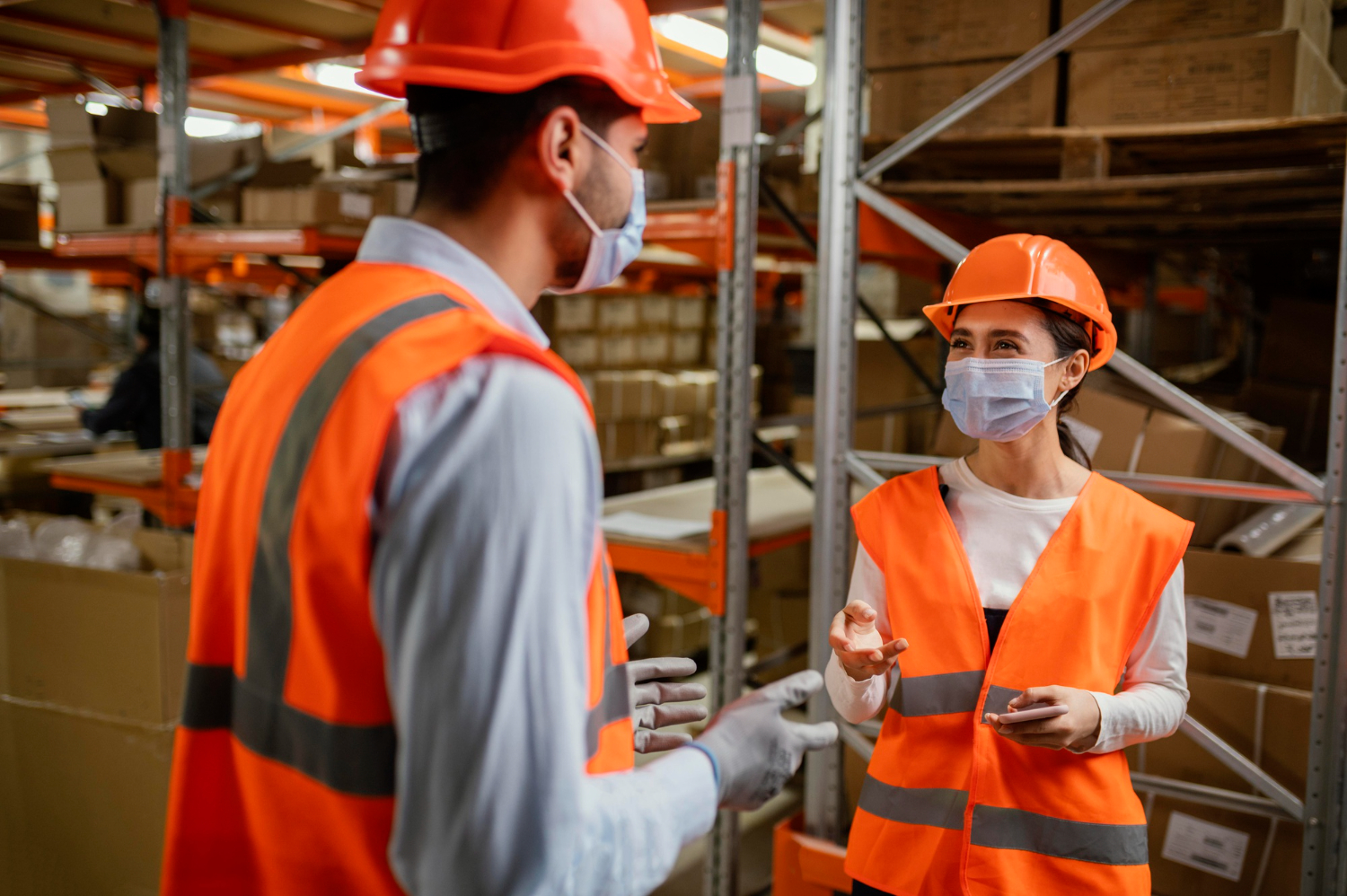
Logistics safety is one of the most demanding training challenges in any supply chain operation. Warehouses, distribution centres, and loading docks are fast-paced environments where forklifts, pedestrians, heavy loads, and automated systems share the same space.
The hazards are dynamic, the margins for error are slim, and the consequences of poor decisions can be severe. Traditional training methods struggle to prepare workers for the speed and complexity of these environments because they cannot safely recreate the conditions that make logistics work dangerous.
Virtual reality changes that equation by placing workers inside realistic simulations where they can practice responding to real hazards without any physical risk.
Why Logistics Environments Are Uniquely Challenging
The logistics sector presents a combination of hazards that few other industries match. Forklift operations alone account for tens of thousands of serious injuries each year, with tip-overs, pedestrian collisions, and falling loads among the most common incident types.
Loading dock activities add further risk, with workers exposed to vehicle movements, uneven surfaces, and the physical demands of loading and unloading cargo. Manual handling injuries from lifting, bending, and repetitive motions affect a significant portion of the warehouse workforce.
What makes logistics safety particularly difficult to train for is the interaction between these hazards. A forklift operator does not work in isolation. They navigate aisles shared with pedestrians, respond to changing traffic patterns, and coordinate with colleagues at loading bays.
A picker working at height on a mezzanine or operating near a conveyor belt faces risks that shift depending on what is happening around them. The environment is constantly moving, and workers need the situational awareness to respond to multiple variables at once. This level of complexity is almost impossible to replicate in a classroom or through a safety video.
The Limitations of Conventional Training
Most logistics operations rely on a combination of classroom instruction, on-the-job mentoring, and video-based modules to deliver safety training. These methods cover the necessary regulatory content, but they share a common weakness, they are fundamentally passive.
Workers receive information about hazards and procedures, but they do not get the opportunity to practice applying that knowledge in realistic conditions.
Forklift certification is a clear example. Operators typically complete a classroom component covering regulations and safe operating principles, followed by a practical assessment on the warehouse floor.
The classroom element is passive, and the practical assessment, while valuable, is conducted under controlled conditions that do not reflect the pressure of a busy shift.
New operators often encounter situations on their first day that their training never exposed them to, such as navigating a congested aisle with pedestrians present or responding to a load that shifts unexpectedly during transport.
The same gap exists for other logistics safety tasks. Emergency evacuation procedures are explained but rarely practiced under realistic conditions. Hazardous material handling is covered in theory, but workers have limited opportunity to rehearse spill containment or decontamination sequences.
The result is a workforce that understands what to do in principle but has not built the procedural confidence or muscle memory needed to perform correctly under pressure.
How VR Simulations Address These Gaps
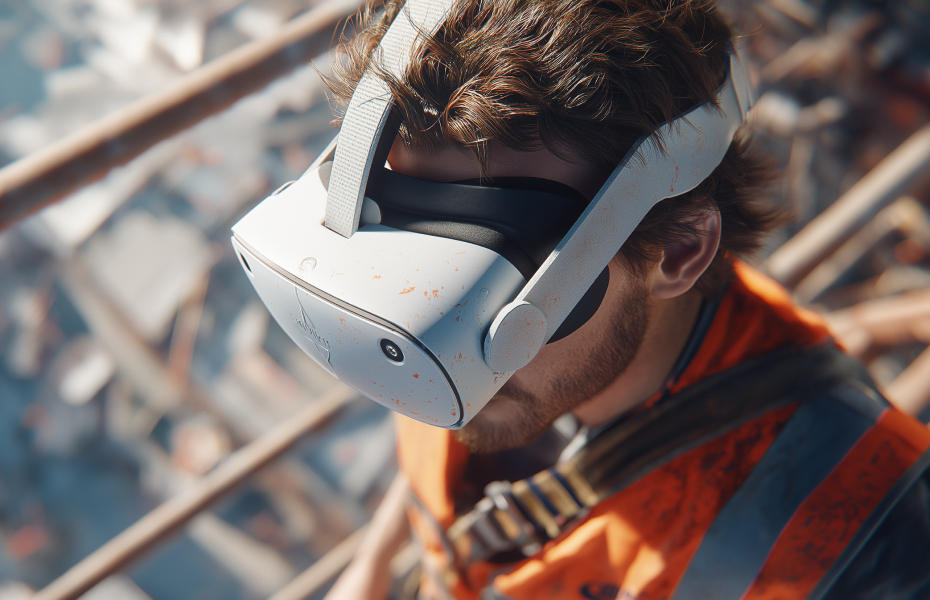
VR training works by immersing workers in three-dimensional simulations of their actual work environment.
They wear a headset and interact with the virtual space, operating equipment, identifying hazards, making decisions, and responding to scenarios that mirror the real challenges they will face. The experience is active, engaging, and repeatable, and it produces the kind of experiential learning that passive methods cannot match.
For logistics operations, VR offers several specific advantages. First, it allows workers to encounter dangerous scenarios without any real exposure to harm. A forklift operator can experience a tip-over, a pedestrian near-miss, or a load failure in a virtual warehouse without anyone being injured.
These simulated experiences create emotional engagement and strong recall, reinforcing safe behaviors far more effectively than warnings in a manual.
Second, VR can replicate the complexity of a live logistics environment in a way that no other training method can. A simulation can include multiple forklifts operating simultaneously, pedestrians crossing aisles, conveyor systems running, and loading dock activity all happening at once.
Workers learn to manage their attention across these competing demands, developing the situational awareness that separates competent operators from those who are simply certified.
Third, VR captures detailed performance data from every session. Safety managers can see which hazards a worker identified, which procedures they followed correctly, and where they made errors.
This data transforms logistics safety training from an attendance record into a genuine competency assessment, giving managers the evidence they need to target coaching and verify workforce readiness. Platforms like Next World provide VR training simulator modules designed to deliver this kind of measurable, scenario-based training.
Key Scenarios for Logistics VR Training
The strongest applications of VR in logistics focus on the scenarios where traditional training is either too dangerous, too difficult, or too expensive to deliver effectively.
Forklift operation is the most obvious candidate. VR simulations allow operators to practise load handling, aisle navigation, pedestrian awareness, dock manoeuvres, and emergency responses in a realistic virtual warehouse.
Operators build the instinctive decision-making skills that only come from repeated practice, and their performance is assessed against clear competency standards.
Loading dock procedures are another area where VR excels. Workers can rehearse trailer restraint checks, dock leveller operation, traffic coordination, and the communication protocols that prevent vehicles from moving while people are on the dock.
The virtual training experience replicates the noise, movement, and time pressure of a real dock environment, preparing workers for conditions that a classroom session can only describe.
Hazard identification walkthroughs place workers in a virtual warehouse where risks are embedded throughout the environment, from blocked fire exits and missing rack guards to spills and unsecured loads.
Workers scan the space, flag hazards, and receive immediate feedback on what they caught and what they missed. This active assessment builds genuine observation skills rather than surface-level awareness.
Emergency response training benefits significantly from VR as well. Workers can practice fire evacuation routes, chemical spill containment, and first response procedures in simulated emergencies where conditions change in real time. The immersive learning solutions available for these scenarios create the urgency and decision-making pressure that real emergencies demand, without putting anyone at risk.
Measuring the Impact on Logistics Safety
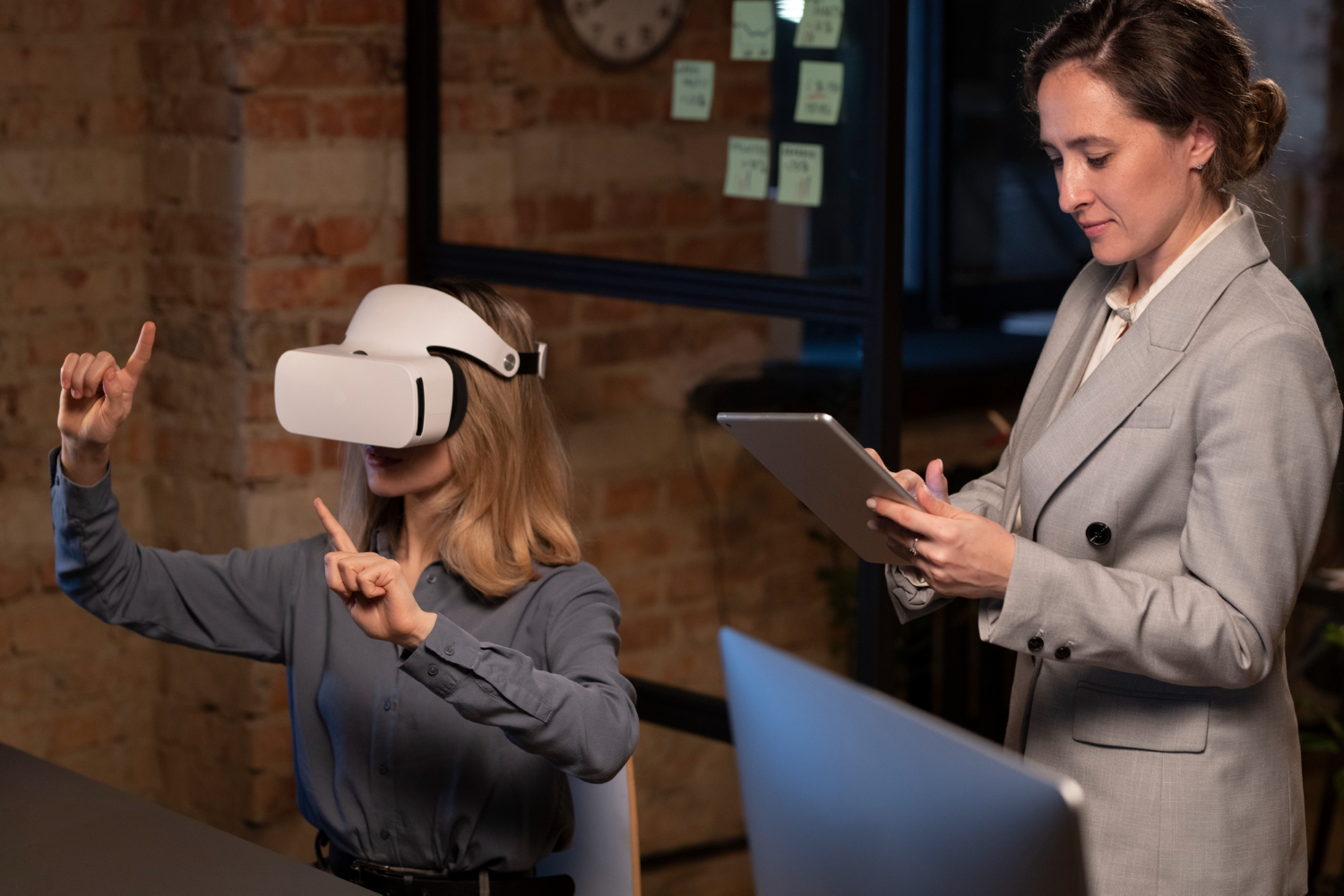
One of the most significant advantages VR brings to logistics safety training is the ability to measure outcomes with precision. Traditional training generates attendance records and quiz scores. VR generates detailed behavioral data showing how workers actually perform under realistic conditions.
This data enables a fundamentally different approach to safety management. Instead of assuming that workers who completed training are competent, safety managers can verify competency through objective performance metrics.
They can identify patterns across the workforce, such as a common tendency to overlook a particular hazard or skip a procedural step, and address those gaps through targeted interventions.
The VR training benefits extend to regulatory compliance as well. Documented competency assessments from VR sessions provide auditable evidence that workers have been trained and assessed against specific standards.
This is considerably more robust than a signed attendance sheet or a pass mark on a written test, and it gives organisations a stronger position in regulatory audits and insurance reviews.
Frequently Asked Questions (FAQs)
1. What Are the Biggest Safety Hazards in Logistics?
The biggest safety hazards in logistics operations include forklift incidents such as tip-overs and pedestrian collisions, loading dock injuries from vehicle movements and falls, manual handling injuries from lifting and repetitive tasks, slips and trips on warehouse floors, and struck-by incidents involving falling or shifting loads.
2. How Does VR Training Improve Logistics Safety?
VR training improves safety in logistics by allowing workers to practise responding to realistic hazards in a controlled virtual environment. Workers develop situational awareness, procedural confidence, and decision-making skills through repeated immersive practice, producing significantly stronger retention than passive training methods.
3. Can VR Simulate Forklift Operations Realistically?
VR simulations can replicate forklift operations with a high degree of realism, including load handling, aisle navigation, pedestrian interaction, dock manoeuvres, and emergency scenarios. Operators practice in virtual environments that mirror their actual workplace, building skills that transfer directly to real equipment.
4. Is VR Training Suitable for Large Logistics Workforces?
VR training scales effectively across large workforces. Modules deliver consistent content regardless of location or trainer, and performance data can be aggregated to identify organisation-wide trends and training gaps. This consistency makes VR particularly well suited to logistics operations managing multiple sites.
5. How Does VR Fit Into an Existing Logistics Safety Program?
VR fits into existing programmes as a practical layer that supplements classroom instruction, on-the-job mentoring, and video-based modules with immersive scenario practice. Deploy VR for the highest-risk activities first, then expand coverage as you build a library of performance data that drives continuous improvement in logistics safety.
Author:

Share Article:
Author:
Share Article: