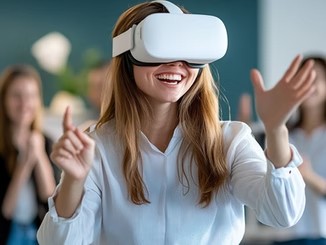
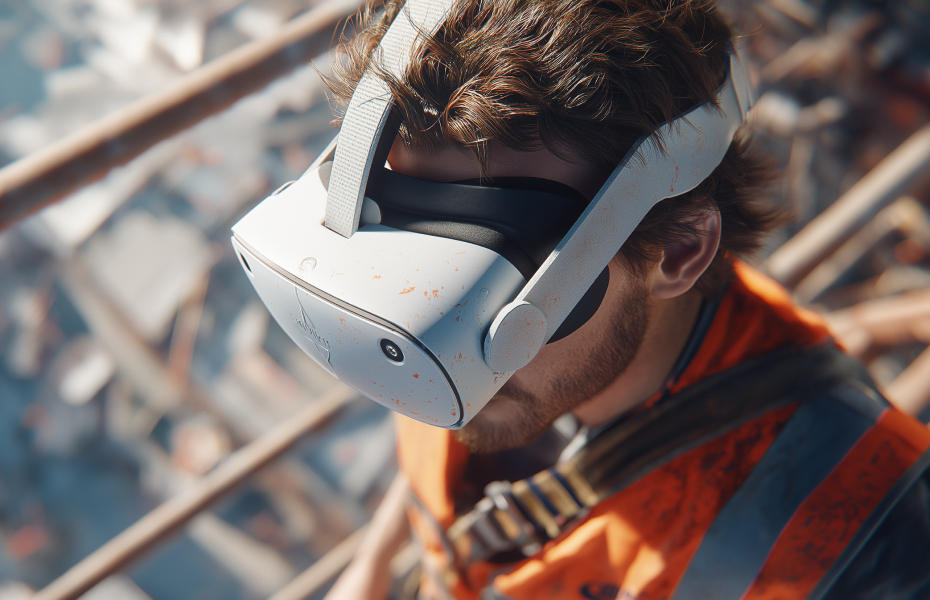
Virtual training has become the backbone of modern workplace learning. But let's be honest - most of it sucks. You've probably sat through those mind-numbing PowerPoint sessions. Or clicked through endless modules that felt like watching paint dry.
I get it, and so does everyone else. We've all wondered why our eyes glazed over during "mandatory training."
Here's the thing about modern learning. Virtual training doesn't have to be a snoozefest. When you introduce immersive VR experiences into the mix, everything changes. We're talking about transforming boring, passive learning into something that actually sticks.
VR Training Benefits
Let me paint you a picture. Remember the last time you tried to learn something from a video? Compare that to actually doing it yourself. That's the difference we're dealing with here. VR cranks it up to eleven.
Neurological impact and multi-sensory activation is where the magic happens. Your brain doesn't just process information - it experiences it. When you're in a VR environment, research shows that multiple sensory channels activate simultaneously. You're seeing, hearing, and physically interacting with content. Traditional virtual training simply can't match this level of engagement.
The numbers from various studies back this up. Research indicates VR can deliver significantly higher focus rates compared to traditional e-learning methods. I've seen this firsthand with companies that made the switch. Employees who used to multitask during training sessions suddenly became laser-focused. This happened the moment they put on a headset.
But here's what really gets me excited about this technology. The emotional connection through presence changes everything. When you feel like you're actually there, studies show your brain responds emotionally as if the experience were real. That safety drill isn't just a concept anymore. It feels like you're genuinely responding to an emergency.
Core VR Training Strategies
Interactive Learning Methods
This is where most virtual training programs completely miss the mark. They treat learners like passive recipients instead of active participants.
Hands-on practice with real consequences changes everything. Instead of reading about how to operate equipment, you're actually manipulating controls. You're making mistakes and learning from them. The beauty is that when you mess up in VR, nobody gets hurt. Your brain still registers the experience as meaningful though.
I've watched safety training transform when companies made a simple change. They moved from "click next to continue" to "figure out what went wrong and fix it." Suddenly, people weren't just going through the motions. They were solving problems, making decisions, and actually learning.
Active participation over passive observation isn't just better. It's essential for effective learning. Your learners should be doing, not just watching. Every VR training session should have multiple decision points. The learner's choices should directly impact the outcome.
Gamification Components
Look, I know "gamification " sounds like corporate buzzword bingo. But stick with me here. When done right, it's incredibly powerful for virtual training.
Achievement systems and progress tracking tap into something fundamental about human psychology. We like to see ourselves improving. Those little badges and progress bars aren't just decoration. They're feedback loops that keep people engaged throughout the learning process.
But here's the key insight about effective gamification. The achievements need to mean something beyond just participation. Don't just hand out participation trophies. Make people earn them through actual skill demonstration and competency proof.
Competitive challenges and rewards work because they make learning social. This happens even in individual training sessions. Leaderboards, team challenges, and peer comparisons can drive engagement through the roof. Just make sure the competition enhances learning rather than overshadowing it.
Workplace Simulations
This is where VR really shines compared to other virtual training methods.
High-fidelity workplace simulations let you practice in environments that look, sound, and feel like the real thing. We're not talking about cartoon-like graphics here. Modern VR can recreate your actual workplace with stunning accuracy and detail.
The power of risk-free practice environments cannot be overstated for effective training. You can simulate dangerous situations, high-pressure scenarios, or expensive equipment failures. All of this happens without any real-world consequences. This freedom to fail safely is pure gold for accelerated learning and skill development.
Advanced VR Techniques
Here's where things get really interesting for virtual training enthusiasts and forward-thinking organizations.
AI-powered personalization and adaptive learning means the training adjusts to each individual learner automatically. Struggling with a concept? The AI notices and provides additional practice opportunities. Mastering things quickly? It ramps up the difficulty level accordingly. This isn't future tech we're talking about. It's happening right now in leading organizations.
Multiplayer collaborative environments solve the isolation problem that plagues most virtual training programs. When team members can train together in the same virtual space, something magical happens. They build relationships while they learn new skills. The collaboration feels natural because the environment feels completely real.
Haptic feedback and spatial audio integration add layers of immersion that make experiences incredibly engaging. When you can feel the vibration of machinery, that's powerful. When you hear sounds coming from specific directions, even better. Your brain processes the training as genuine experience rather than simulation.
Technical Implementation
Let's get practical for a minute. All the engagement strategies in the world won't help if your technical foundation is shaky.
Hardware selection for optimal immersion matters more than you might think for virtual training success. Cheap headsets create cheap experiences that frustrate learners. The resolution, refresh rate, and tracking accuracy all impact how engaged your learners will be. Invest in quality hardware that won't cause motion sickness or eye strain during extended sessions.
Content development guidelines should prioritize user experience over flashy visuals every single time. The most engaging VR training often looks simpler than you'd expect. This happens because it focuses on interaction and learning outcomes. Visual spectacle takes a backseat to actual educational value.
Session length and pacing optimization is crucial for maintaining engagement throughout the experience. VR fatigue is real, and research suggests it can occur faster than traditional screen fatigue. Most experts recommend keeping individual sessions between 15-30 minutes for optimal comfort. Always include natural break points where learners can pause and reflect on what they've learned.
Performance Measurement
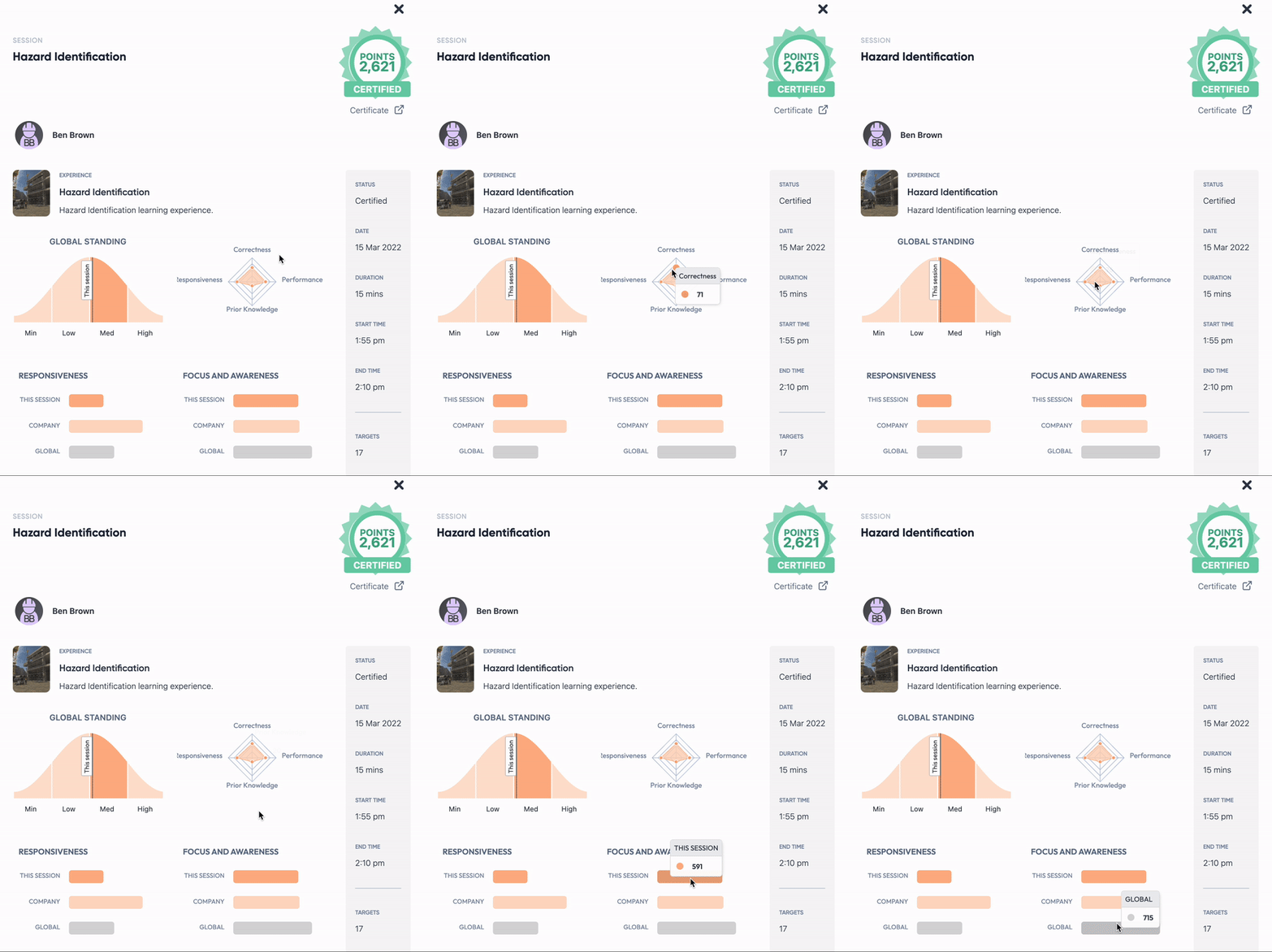
You can't improve what you don't measure. Engagement in VR training has some unique metrics that traditional methods can't capture.
Key performance indicators and analytics should go beyond completion rates for virtual training programs. Look at interaction frequency, time spent in different areas, and decision-making patterns. Also track repeat session requests from learners. These metrics tell you much more about true engagement than simple time-on-task measurements.
Behavioral change tracking is where the rubber meets the road in training evaluation. Are people actually applying what they learned in VR to real-world situations? This requires follow-up assessments and real-world performance monitoring. It's the ultimate measure of whether your engaging virtual training is actually working.
Real-time feedback systems within the VR environment keep learners engaged throughout the experience. They provide immediate responses to learner actions and decisions. This instant feedback loop is one of VR's biggest advantages over traditional virtual training methods.
Implementation Challenges
Let's address the elephants in the room. Every organization faces these challenges when implementing VR for virtual training.
Hardware adoption challenges are usually about change management, not technology limitations. People resist what they don't understand or haven't experienced firsthand. The solution is hands-on demonstrations and gradual rollouts. Let early adopters become your internal advocates who can speak to the benefits.
Learning curve management requires patience and proper onboarding from day one. Don't throw people into complex VR scenarios immediately. Start with simple interactions and build confidence gradually. Then advance to more sophisticated training modules as comfort levels increase.
Avoiding VR design pitfalls means understanding what makes people uncomfortable or disengaged during sessions. Motion sickness, confusing interfaces, and overly complex controls can kill engagement faster than anything else. Test extensively with real users, not just developers who understand the technology intuitively.
Implementation Strategy
Here's your roadmap for implementing engaging virtual training with VR technology.
Organizational readiness assessment starts with honest evaluation of your current capabilities. Do you have the technical infrastructure to support VR systems? Are your trainers ready to think differently about content delivery? Is leadership committed to supporting the transition with adequate resources and timeline expectations?
Platform selection and implementation roadmap should prioritize compatibility with your existing systems first. Focus on scalability for future growth as your program expands. Don't get caught up in having every feature from day one. Start with core functionality and expand as you learn what works for your organization.
ROI optimization techniques focus on measuring the right outcomes from the beginning. Track reduced training time, improved safety records, and better skill retention rates. Also monitor decreased need for remedial training sessions. These metrics all contribute to ROI calculations. Track them from the beginning so you can demonstrate value to stakeholders.
Conclusion
The future of virtual training is immersive, engaging, and incredibly effective for skill development. When you combine the right strategies with solid execution, VR doesn't just improve engagement. It transforms how people learn and retain information for long-term application.
Look, I've seen too many organizations stick with training methods that barely work. They keep using the same old approaches while wondering why their people aren't retaining information. Meanwhile, companies that embrace VR training are seeing remarkable results in engagement, retention, and real-world application.
The technology isn't experimental anymore. The strategies I've outlined here are proven and scalable. What separates successful implementations from failed ones is commitment to doing it right from the start.
If you're ready to leap into immersive virtual training, consider exploring comprehensive VR training platforms like Next World XR. They offer enterprise-level VR safety and soft skills training libraries with proven results from their case studies. Their reported client outcomes include significant reductions in workplace accidents and increased hazard awareness.
That's the difference between training that works and training that transforms.
Stop settling for virtual training that puts people to sleep. Start creating experiences that wake them up, get them involved, and actually stick with them. The impact continues long after the headset comes off.
Frequently Asked Questions (FAQs)
1. How much does it cost to implement VR for virtual training?
Implementation costs vary widely based on your organization's size and specific needs. Basic setups can start around $10,000-$20,000 for small teams. Enterprise solutions may require $100,000+ investments depending on scale. Factor in hardware, software licensing, content development, and training costs when creating your budget.
2. What types of training work best with VR technology?
VR excels at hands-on skills training, safety procedures, and equipment operation scenarios. It's also powerful for soft skills like communication and leadership development. Emergency response scenarios work exceptionally well in VR environments. Any training where real-world practice is expensive, dangerous, or impractical shows high engagement rates.
3. How do you prevent motion sickness during VR training sessions?
Prevent motion sickness by using proper hardware with high refresh rates, typically 90Hz or higher for most users. Design comfortable movement systems that minimize artificial locomotion. Keep initial sessions shorter while users acclimate. Ensure proper headset fit and provide adequate ventilation in training spaces. Start with stationary experiences before introducing movement-based training.
4. Can VR training integrate with existing learning management systems?
Most modern VR training platforms offer LMS integration through multiple methods. These include SCORM packages, APIs, or direct connectors to popular systems. This allows you to track completion rates, scores, and progress alongside traditional training modules. Check compatibility with your current LMS before selecting a VR platform.
5. How long does it take to create custom VR training content?
Custom VR content development typically ranges from 2-6 months depending on several factors. Simple scenario-based training might take 6-8 weeks to complete. Complex simulations with multiple outcomes and advanced interactions often require 4-6 months or more. Many organizations start with existing content libraries before developing custom modules.
Author:
.png)
Next World
Share Article:
Author:
Next World
Share Article: